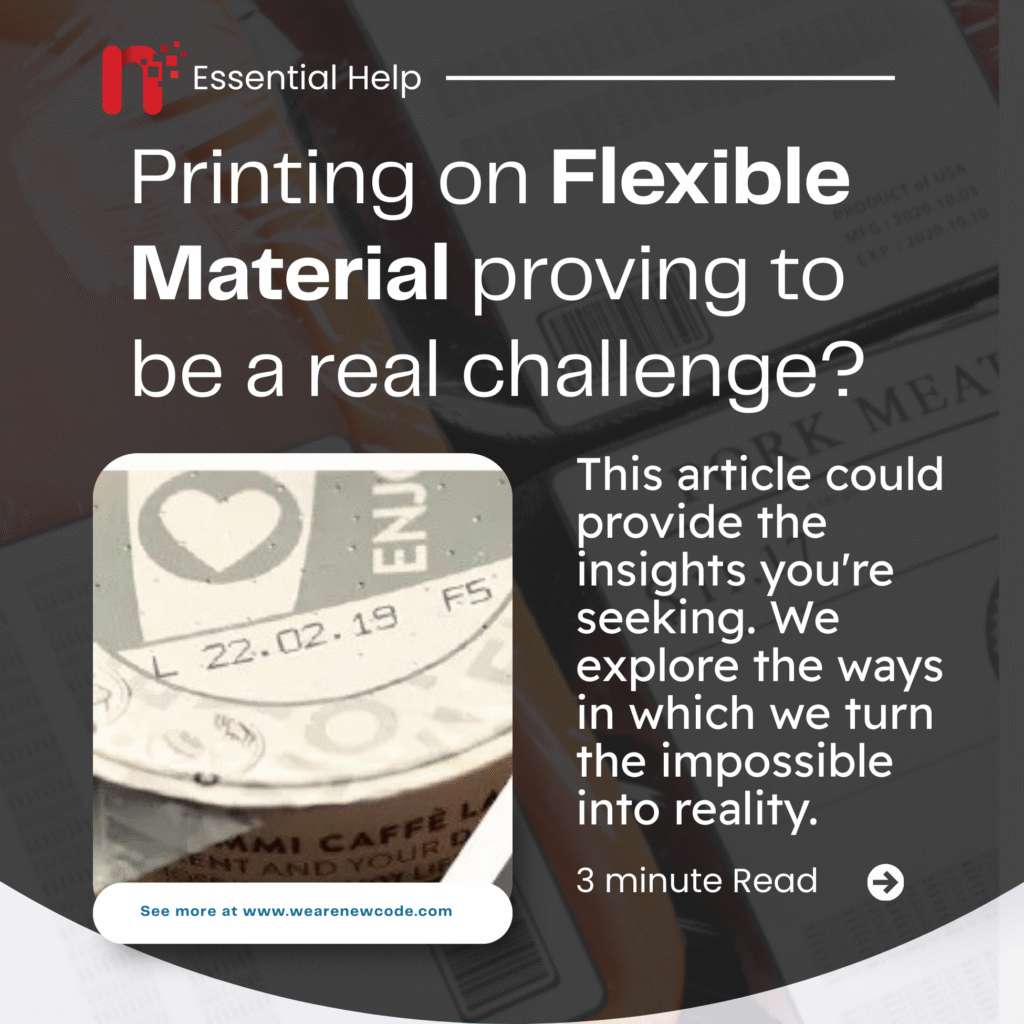

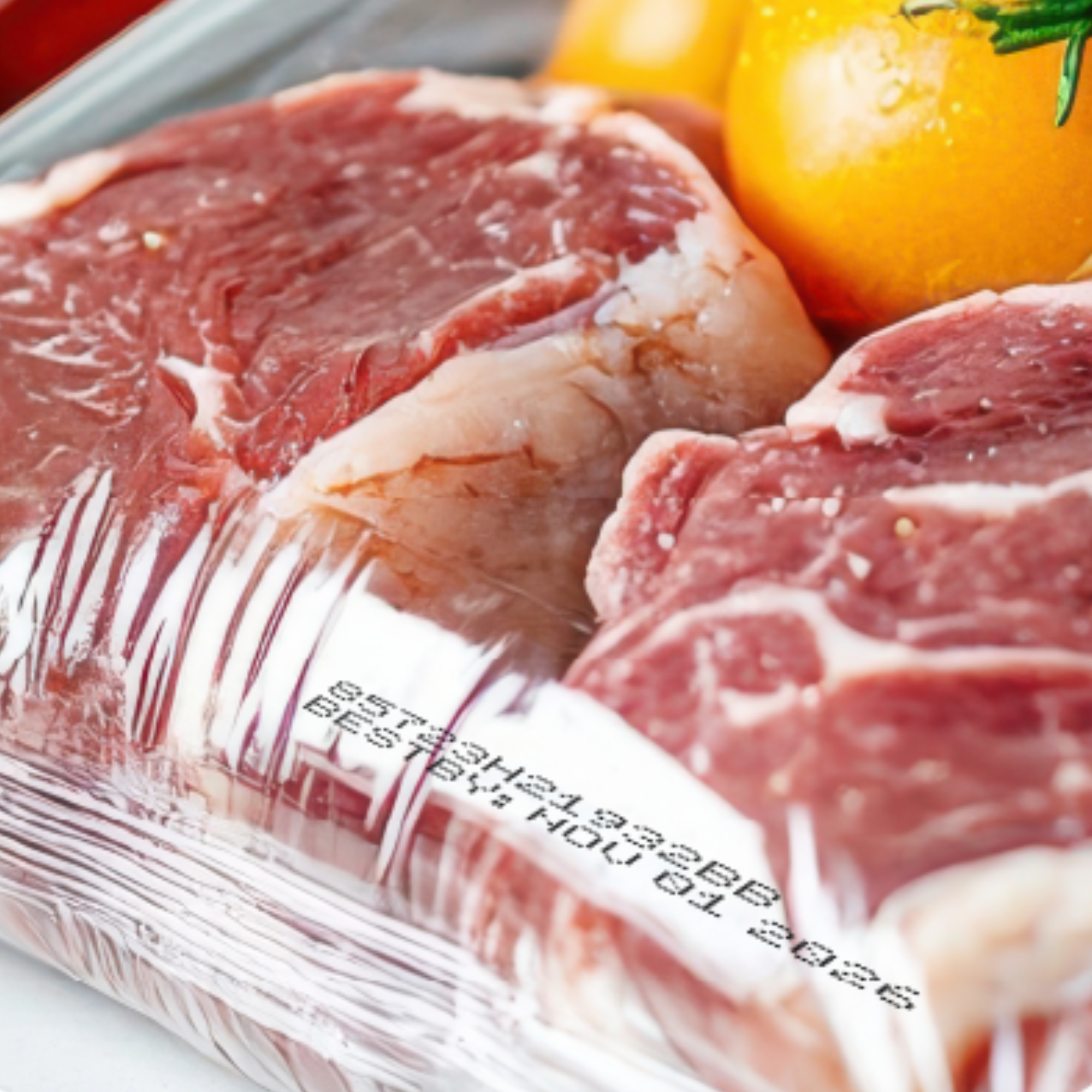
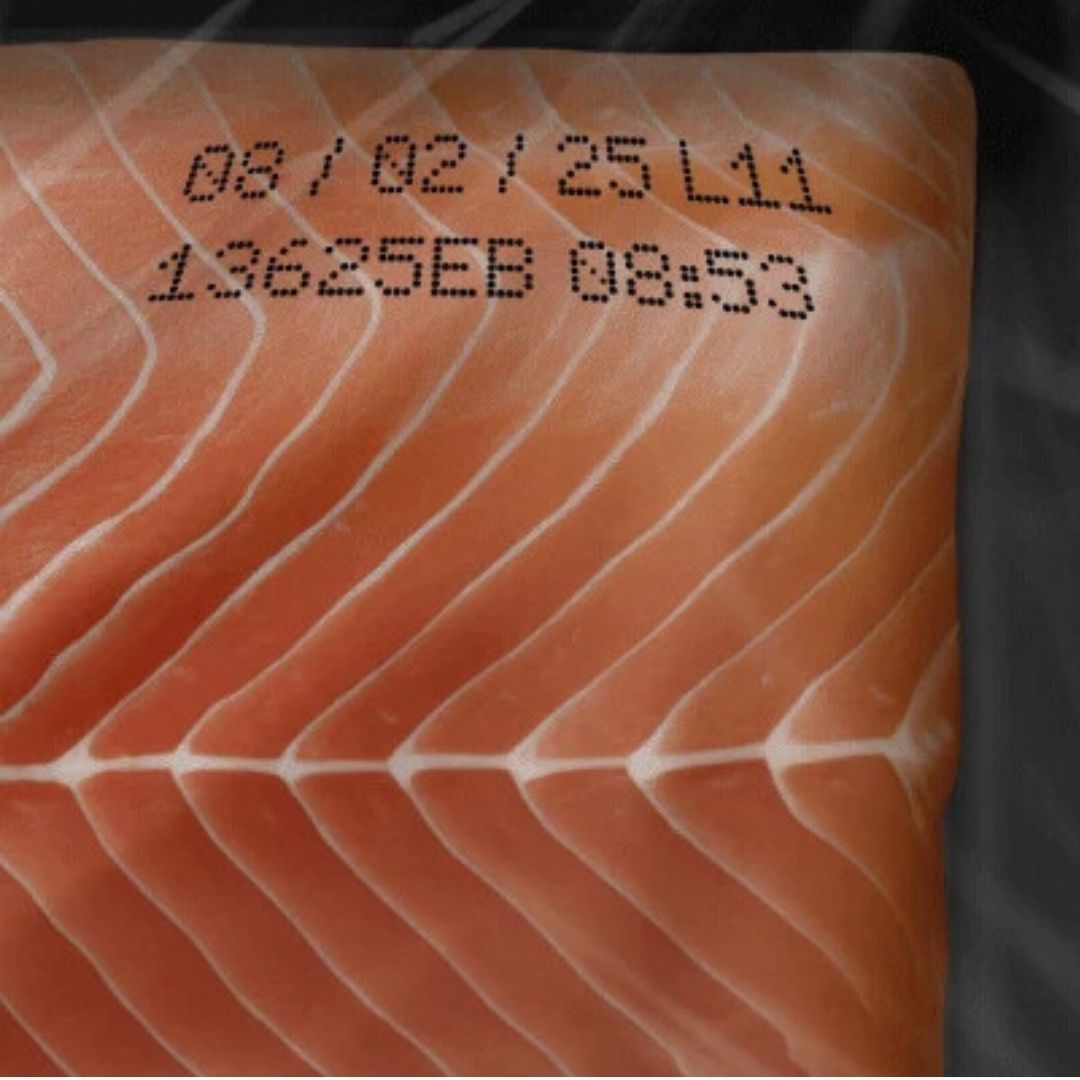
Printing on flexible substrates such as plastic films, foils, and laminated materials requires far more precision than printing on rigid surfaces like paperboard. These non-rigid materials behave differently under pressure, tension, and temperature, which can easily lead to print defects if not managed correctly. Flexographic printing is one of the most widely used methods for flexible packaging, but it demands a careful balance of technique, material handling, and specialised equipment to achieve consistent, high-quality output.
This article explores the most common challenges encountered when printing on flexible substrates and presents proven solutions used across the packaging and labelling industry.
Flexographic printing is a high-speed process that uses flexible photopolymer plates to transfer ink onto a wide range of substrates. Its ability to handle variable materials makes it a preferred choice for:
While flexo technology has evolved considerably, printing on flexible materials still requires technical precision and process optimisation.
Achieving strong and lasting ink adhesion on flexible materials is one of the most common obstacles. Films like polyethylene, polypropylene, and metallic foils have smooth, low-surface-energy surfaces that resist ink anchorage. When adhesion is poor, printers may see smudging, abrasion, fading, or ink pick-up during converting.
Solutions:
Flexible substrates stretch, shrink, or wrinkle easily during handling. Incorrect tension results in web instability, registration issues, and print defects.
Solutions:
Flexible materials shift slightly during production, making perfect colour registration difficult. Any misalignment affects image clarity, barcode accuracy, and brand presentation.
Solutions:
Flexible materials are more heat-sensitive than rigid substrates. Excessive drying temperatures can cause warping, shrinkage, or material distortion, especially with thin films.
Solutions:
Sustainability is now a core requirement for packaging manufacturers. Flexible substrates often contain multi-layer laminates or plastics that are difficult to recycle, making eco-friendly choices increasingly important.
Sustainability Strategies:
Printing on flexible surfaces presents a unique set of challenges, from achieving strong ink adhesion and stable material tension to maintaining accurate colour registration and managing heat-sensitive drying conditions. By combining advanced technologies with well-trained operators and high-quality materials, manufacturers can significantly improve print consistency, minimise waste, and meet the growing demand for sustainable packaging.
As flexible packaging continues to expand across global markets, staying informed on the latest printing innovations remains essential. With the right approach and equipment, printers can overcome these challenges and deliver reliable, high-performance results across a wide range of applications.
Why not see how we can help with this and other applications here: https://wearenewcode.com/applications/